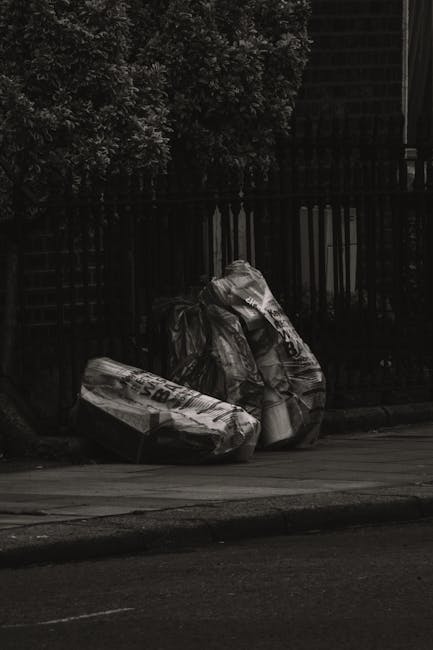
Small business rubbish removal for Carshalton High Street traders
If you run a shop, cafe, salon, takeaway, office, or small studio on Carshalton High Street, rubbish has a habit of building up at the worst possible moments. One box here, a broken chair there, a pile of packaging after a delivery rush, and suddenly the back room feels tighter than it should. Small business rubbish removal for Carshalton High Street traders is really about keeping your premises clear, safe, and workable without turning waste into a second job.
That matters more than people think. A tidy trader-facing space is easier to operate, easier to clean, and easier to welcome customers into. It also helps when you are juggling stock, staff, deliveries, and the normal day-to-day chaos of a busy high street. In this guide, we'll walk through how the process works, what to look out for, and how to choose the right approach for your business, without the fluff.
Table of Contents
- Why it matters for Carshalton High Street businesses
- How the service works in practice
- Key benefits and practical advantages
- Who it is for and when it makes sense
- Step-by-step guidance
- Expert tips for better results
- Common mistakes to avoid
- Tools, resources and recommendations
- Law, compliance and best practice
- Options and comparison table
- Real-world example
- Practical checklist
- Conclusion
- Frequently asked questions
Why Small business rubbish removal for Carshalton High Street traders Matters
For traders, waste is not just an afterthought. It affects how your business looks, how safely people move around, and how well your day runs. If you've ever tried to squeeze past flattened cardboard, old display units, or bagged rubbish in a narrow back area, you already know the problem. It's not glamorous. It's just real.
On a high street, that reality is sharper. Space is limited, deliveries come and go, and customer-facing areas need to stay presentable. A few hours of clutter can make a shop feel tired, even if the stock is great and the service is spot on. Truth be told, customers notice more than business owners sometimes expect.
There's also the practical side. Waste left in the wrong place can get in the way of cleaning, create trip risks, attract pests, or interfere with stock handling. For small businesses, that can quickly snowball into lost time. And in a busy area, lost time is expensive.
If your business generates mixed rubbish, bulky waste, or regular clear-outs, a professional business waste removal service can keep things moving without dragging staff away from what they should be doing. That alone can be a game-changer.
How Small business rubbish removal for Carshalton High Street traders Works
The process is usually simpler than people expect. Most traders want one thing: waste gone quickly, with minimal disruption. A good service is built around that.
Typically, it starts with a clear description of what needs removing. That might include bags of general waste, cardboard, office clutter, broken furniture, old fittings, or specialist items like appliances. The clearer you are upfront, the smoother the job tends to be. You do not want surprises on the day. Nobody does.
From there, the collection is arranged around your business hours where possible. For a high street trader, timing matters. Early morning, late afternoon, or quieter midweek slots can make all the difference. If the waste is in a rear yard, stockroom, basement, or upstairs office, access details also matter. Narrow passage? Steep steps? Shared entrance? Say it early.
Once on site, the team assesses the load, removes the agreed waste, and clears it away for handling. If you are disposing of items that need special treatment, such as refrigeration units, confidential paperwork, or anything classed as hazardous, those should be flagged separately. For example, a retail unit refreshing its displays may need furniture disposal for worn shelving or a fridge and appliance removal service if old stock-room equipment is being replaced.
Some traders also combine waste removal with a broader clear-out. If you're refurbishing a back office or reworking a customer area, services such as office clearance or even builders waste clearance can help keep the job tidy from start to finish. It saves the awkward bit where everyone assumes "someone else" will deal with the mess.
Key Benefits and Practical Advantages
There are obvious benefits, and then there are the ones that quietly make the business run better. Both matter.
- Cleaner premises: less clutter, less dust build-up, and a better first impression.
- Better use of space: stockrooms and back areas work harder when they are not half full of rubbish.
- Reduced safety risk: fewer trip hazards, fewer blocked exits, and less manual handling stress.
- More flexible timing: collections can often be aligned with trading patterns.
- Less staff distraction: your team can focus on customers, not dragging bags out the back.
- Improved operational flow: deliveries, packing, storage, and cleaning all get easier.
There's also a financial angle. When waste gets left to pile up, jobs become bigger and less efficient. Clearing it regularly tends to be easier to manage than one huge, grim day where everyone is lifting dusty boxes and wondering how it got this bad. Happens all the time. Nothing to be embarrassed about.
For some businesses, the value is even more specific. A cafe might need a quick clearance after replacing damaged seating. A salon may need old mirrors, packaging, and broken fixtures removed. A small shop might want to clear end-of-season display waste. A local office may need a regular clean-out plus confidential shredding for paperwork that should not just be chucked in with general rubbish.
Expert summary: the best rubbish removal setup is the one that keeps your trading space tidy without interrupting customers, staff, or deliveries. It should feel easy. If it feels like a production, it probably needs simplifying.
Who This Is For and When It Makes Sense
This kind of service suits a wide range of small businesses, especially those with limited storage or regular turnover of stock and fixtures. If you are on Carshalton High Street, you may already be working with tight frontage, shared access, or limited rear storage. That's exactly where efficient waste handling helps most.
It makes sense if you are:
- refreshing a shop interior or changing displays
- clearing old stock, packaging, or broken items
- moving into a new unit and need the previous clutter removed
- renovating a back office, treatment room, or staff area
- dealing with bulky waste that won't fit in regular bins
- trying to avoid stacking waste in customer-visible areas
It also matters if your business has mixed waste streams. For instance, a trader might have recyclable cardboard, outdated furniture, a small fridge, and old paperwork all in one week. That is normal. It just needs handling sensibly rather than shoved into one overfilled pile and forgotten until it smells funny. Sorry, but that's the truth.
If your unit is temporary, seasonal, or part-time, flexible clearances can be especially useful. Pop-up traders, market-adjacent businesses, and hospitality venues with changing layouts often benefit from a disposal plan that can adapt as trade changes. Sometimes the need is urgent. Sometimes it's just a "we really should sort this before Friday" moment.
Step-by-Step Guidance
Here is a straightforward way to manage rubbish removal without overcomplicating it.
- Identify the waste types. Split general rubbish from bulky items, electronics, appliances, and anything that may need specialist disposal.
- Check access. Note stairways, narrow corridors, parking restrictions, loading points, or any shared entrances.
- Estimate volume honestly. A rough visual estimate is fine, but be realistic. Underestimating creates hassle; overestimating can mean paying for more than needed.
- Choose a collection time that suits trading. Early, late, or quieter hours are often best for high street businesses.
- Prepare the waste. Keep items together, separate sharps or hazardous materials, and avoid blocking fire exits or customer routes.
- Confirm what is included. Make sure you know whether loading, lifting, and disposal are all covered.
- Request the paperwork or confirmation you need. Businesses should keep a clear record of what was removed and when.
If you are unsure whether something can go with general waste, check first. A little caution saves a lot of awkwardness. The same applies to awkward items like old sofas, mattresses, or appliances. Those are better handled through relevant specialist services such as mattress and sofa disposal or appliance-focused removal, rather than treated as ordinary rubbish.
And a small but useful point: label areas if several teams or staff members are involved. A simple "remove" or "keep" note on boxed items prevents mix-ups. Sounds basic. It is basic. But basic saves time.
Expert Tips for Better Results
The smoothest clearances usually come down to preparation, not luck.
1. Keep waste out of customer sight where possible. On a high street, the visual impact matters. A neat frontage is half the battle. If rubbish has to be held temporarily, place it somewhere discreet and safe.
2. Combine jobs where it makes sense. If you already know a storage area needs clearing, bundle the work together instead of booking multiple small collections. That tends to be more efficient and less disruptive.
3. Be precise about special items. Fridges, freezers, electronics, and anything with contamination concerns should be mentioned early. It's not the place for guesswork.
4. Use quieter business periods. For many traders, the hour before opening or just after closing is ideal. The street is calmer, and nobody has to sidestep box towers while ordering lunch.
5. Keep recycling in mind. Cardboard, some packaging, and clean materials may be easier to separate before collection. That can support a more efficient and sustainability-minded process.
Also, don't let waste become background noise. You stop seeing it after a while, which is exactly when it starts taking over. A quick monthly clear-out often works better than waiting for the room to beg for mercy.
Common Mistakes to Avoid
Most problems are avoidable if you spot them early.
- Leaving sorting until the last minute. Mixed waste is harder to manage and slows everything down.
- Forgetting access details. A van can only get so far if there is no loading space or if the rear gate is locked.
- Assuming all waste is the same. It isn't. Some items need separate handling.
- Blocking exits or corridors. This creates avoidable risk and may cause practical or compliance issues.
- Not checking who is responsible. In shared premises, it is easy for waste duties to become vague. Vague is bad.
- Choosing purely on price. Cheapest is not always best if service quality, timing, or safety suffer.
A common one in small retail spaces is "we'll deal with it later." Later turns into next week, next week becomes next month, and somehow a small clear-out becomes a full refurbishment job. That happens more than people admit.
Tools, Resources and Recommendations
You do not need a complicated toolkit to manage waste better. A few simple habits and resources can make a real difference.
| Need | Useful approach | Why it helps |
|---|---|---|
| Regular rubbish build-up | Scheduled collections | Keeps clutter from creeping into trading space |
| Bulky items | Dedicated clearance service | Removes furniture, fittings, and awkward loads safely |
| Paper records | Confidential shredding | Helps protect sensitive documents before disposal |
| Mixed refurbishment waste | Specialist waste collection | Handles varied materials more efficiently |
| Eco-conscious disposal | Recycling-led sorting | Reduces avoidable landfill and supports better resource use |
For traders who want to understand what is generally acceptable in mixed waste or skip-type loads, the page on what can go in a skip is a useful reference point. It is not a substitute for checking specific items, of course, but it gives you a practical sense of the boundaries.
If you are focused on less waste overall, take a look at recycling and sustainability. Even small improvements, like separating cardboard or reusing packaging where appropriate, can make a meaningful difference over time.
And if a single service description does not quite cover what you need, it can help to browse the wider waste removal information so you can match the job to the right type of collection. Simple enough, really.
Law, Compliance, Standards, or Best Practice
For businesses, rubbish removal is not just about tidiness. You also need to think about duty of care, safe handling, and keeping your records in order. The exact requirements depend on the waste type and your business setup, so it is sensible to be careful rather than casual.
In plain English, that means you should know what you are handing over, who is collecting it, and whether any items need special treatment. If waste includes electrical equipment, fridges, chemical products, sharp materials, or confidential paperwork, treat those as separate categories until confirmed otherwise. That reduces risk and avoids messy misunderstandings.
Good practice also includes:
- keeping access routes clear
- making sure staff know where waste should be stored
- separating hazardous or sensitive materials early
- keeping collections documented for business records
- checking that the contractor has appropriate insurance and safe working processes
If your site involves hand-lifting through tight areas, stairs, or uneven surfaces, look at insurance and safety and the company's health and safety policy before booking. That's not being fussy. That's just sensible.
For waste that may be risky or controlled, such as solvents, contaminated materials, or unknown substances, the safest route is to use the dedicated hazardous waste disposal information and avoid mixing it with routine clearance. Better to ask awkward questions now than deal with a bigger problem later.
Options, Methods, or Comparison Table
There are a few ways a small business can deal with waste. The right one depends on the volume, the type of waste, and how quickly it needs to go.
| Method | Best for | Advantages | Trade-offs |
|---|---|---|---|
| Routine bin collection | Small everyday waste | Simple, predictable | Not suitable for bulky or one-off loads |
| Skip hire | Longer projects with space available | Useful for ongoing disposal | Requires space and can be awkward on busy high streets |
| Dedicated rubbish removal | One-off clear-outs and mixed loads | Fast, flexible, often fully lifted for you | Needs clear access and accurate job description |
| Specialist disposal | Fridges, furniture, confidential items, hazardous waste | Safer for regulated or awkward items | May require item-specific arrangements |
For a lot of Carshalton High Street traders, dedicated rubbish removal is the most practical middle ground. It avoids the space demands of a skip and saves staff the heavy lifting. If your premises are compact, that matters. A lot.
There are times when a skip still makes sense, especially for larger works. If you are weighing that option, the guide on what can go in a skip is a useful companion. It helps you think through the type of load before committing.
Case Study or Real-World Example
Imagine a small independent retailer on the High Street preparing for a shop refresh before a busy weekend. The back room has old shelving, damaged packaging, a broken display stand, and a fridge that no longer keeps temperature properly. Nothing dramatic, but enough to make the space feel cramped and a bit scruffy.
The owner could try to tackle it over several evenings, which is what people often do when they are already stretched. But in practice that means lifting awkward pieces after closing, making extra trips, and finding somewhere to put everything in the meantime. Not ideal, especially if staff are tired.
Instead, the waste is listed clearly: the shelving, the display stand, the appliance, and the cardboard stock packaging. A collection is arranged for an early slot before opening. The old items are removed in one go, the stock room is left clear, and the shop opens with room to breathe. Small thing? Maybe. But that clear space changes the whole feel of the place.
That is the real value of good rubbish removal. It doesn't just remove objects. It returns usable space. You notice the difference when you can move without shuffling sideways or stepping over a pile of "temporary" storage that was never meant to stay. Honestly, it's a relief.
Practical Checklist
Use this before arranging a collection.
- Identify all items to be removed
- Separate general waste, bulky items, appliances, and sensitive materials
- Check whether anything needs specialist handling
- Measure or estimate the amount of waste as accurately as you can
- Note access points, stairs, locks, and parking restrictions
- Choose a time that causes the least disruption to customers
- Keep fire exits and walkways clear
- Confirm what loading and disposal are included
- Save any paperwork or confirmation for business records
- Review whether the service should be repeated regularly
If you can tick most of these off, the job is usually straightforward. If you can't, that's fine too. It just means the planning stage needs a bit more attention.
Get a free quote today and see how much you can save.
Conclusion
For Carshalton High Street traders, rubbish removal is really about keeping the business workable, not just keeping it tidy. The best approach is one that respects your space, your trading hours, and the kind of waste you actually deal with. Not the idealised version. The real one.
Whether you are clearing a stockroom, replacing old furniture, dealing with packaging build-up, or handling a small refurbishment, a sensible removal plan helps your team stay focused and your premises stay presentable. That is good for operations, good for customers, and frankly good for peace of mind.
If you take one thing away from this guide, let it be this: plan the waste before it becomes the problem. A little structure now saves a lot of scrambling later. And on a busy high street, that calm, uncluttered feeling is worth a lot more than people give it credit for.
When the back room is clear and the front of house feels lighter, the whole business tends to breathe easier. That's a nice place to be.
Frequently Asked Questions
What counts as small business rubbish removal for High Street traders?
It usually includes the collection and disposal of everyday waste, bulky items, packaging, old fixtures, office clutter, and similar materials from a small commercial premises. The exact load depends on your business type and what needs clearing.
Can I book a clearance outside normal trading hours?
Often, yes. Many traders prefer early morning or after-closing collections so customers are not disrupted. It is worth mentioning your preferred timing when arranging the job.
What kinds of items are commonly removed?
Common examples include cardboard, bagged rubbish, display units, chairs, desks, shelving, appliances, and general shop or office clutter. Some specialist items may need separate handling.
Do I need to sort waste before collection?
It helps a lot. Clear separation of general waste, recyclables, bulky items, and any sensitive or hazardous materials makes the process easier and safer.
How do I know if something needs specialist disposal?
If the item is electrical, refrigeration-based, sharp, chemically contaminated, or confidential, it is safer to treat it as specialist waste until confirmed otherwise.
Is rubbish removal better than skip hire for a small shop?
For many high street traders, yes. Dedicated rubbish removal is often more practical because it does not require taking up valuable street-level space with a skip. Skip hire can still make sense for larger jobs.
Can I include old office furniture and shop fittings?
Yes, in many cases. Items like desks, shelving, counters, and chairs are often collected as part of furniture or office clearance services, depending on their condition and material.
What should I tell the collection team in advance?
Share the waste type, rough volume, access details, timing preferences, and whether anything is particularly heavy, awkward, or sensitive. Good details upfront save a lot of hassle later.
What happens if I have confidential papers to dispose of?
Those should not be mixed with general rubbish. Use a secure disposal route, such as confidential shredding, so documents are handled more appropriately.
Can rubbish removal help with a shop refit or refurbishment?
Absolutely. It is especially useful when you are removing old fixtures, broken fittings, or mixed renovation waste. In those cases, builder-style clearance or furniture removal may be more suitable than a standard collection.
How often should a small business arrange waste clearance?
That depends on your trading pattern. Some businesses need weekly support, while others only require occasional clear-outs after deliveries, seasonal changes, or refurbishments. The key is not to let it get out of hand.
Is there any paperwork I should keep?
Yes. It is good practice to keep records of what was removed, when it was collected, and who handled it. That makes business admin easier and supports responsible waste management.
If you want to learn more about the people and standards behind the service, you can also read the about us page, or review the company's terms and conditions and payment and security information before booking. If you need to discuss a specific job, the contact us page is there too. And if you want to book a collection straight away, use the online booking option.